
CCTV Camera Privacy Policy
A CCTV Camera Privacy Policy defines how video surveillance data is collected, processed, stored, and protected to ensure transparency, security, and the responsible use of monitoring systems. A well-written CCTV Camera Privacy Policy helps homeowners, businesses, and organizations explain how CCTV cameras are used to improve security while respecting individual privacy rights. Modern CCTV systems are widely installed in homes, offices, retail stores, warehouses, schools, hospitals, and public spaces to enhance safety, prevent unauthorized access, monitor activities, and protect valuable assets. A comprehensive CCTV Camera Privacy Policy ensures that all recorded footage is used only for legitimate security purposes, including theft prevention, incident investigation, property protection, and maintaining a safe environment.
Under this CCTV Camera Privacy Policy, access to surveillance recordings is restricted to authorized individuals such as property owners, security personnel, designated administrators, or legally authorized authorities. The CCTV Camera Privacy Policy establishes strict access control procedures to prevent unauthorized viewing, copying, misuse, or disclosure of recorded footage. Every CCTV camera recording is handled securely and accessed only when required for security investigations, operational needs, or legal compliance.
A comprehensive CCTV Camera Privacy Policy also explains how surveillance footage is stored, managed, and retained. The policy specifies how long video recordings are kept before they are securely deleted or automatically overwritten according to storage capacity, operational requirements, and applicable privacy regulations. Following a clearly defined CCTV Camera Privacy Policy helps organizations manage surveillance data responsibly while avoiding unnecessary retention of personal information.
Modern CCTV camera systems incorporate advanced security technologies such as encrypted storage, password protection, secure login authentication, cloud backup, and user access controls to safeguard surveillance data from unauthorized access or cyber threats. Regular software updates, firmware maintenance, and security monitoring further improve the reliability of every CCTV system. These measures help ensure that recorded footage remains protected and available only to authorized users.
Transparency is a key principle of every CCTV Camera Privacy Policy. Businesses and property owners should display clear signs and notices in monitored areas to inform employees, visitors, customers, and residents that CCTV cameras are in operation. Informing individuals about surveillance activities promotes openness, builds confidence, and demonstrates that monitoring is carried out responsibly. A properly implemented CCTV Camera Privacy Policy supports ethical surveillance while respecting personal privacy and maintaining public trust.
The CCTV Camera Privacy Policy also emphasizes the lawful and ethical use of surveillance technology. CCTV camera systems should be operated solely for approved security purposes and never for unauthorized monitoring or misuse. Regular reviews and updates of the CCTV Camera Privacy Policy help organizations adapt to technological advancements, changing operational needs, and evolving data protection regulations.
Overall, a well-structured CCTV Camera Privacy Policy creates the right balance between effective security monitoring and individual privacy protection. By implementing a comprehensive CCTV Camera Privacy Policy, homeowners, businesses, and organizations can ensure that every CCTV camera system is operated responsibly, surveillance data is securely managed, and security practices remain transparent, ethical, and legally compliant. A strong CCTV Camera Privacy Policy not only protects sensitive information but also reinforces confidence in the responsible use of modern CCTV surveillance systems.
CCTV Camera Privacy Policy
A CCTV Camera Privacy Policy is an essential document that explains how video footage collected through CCTV camera systems is gathered, used, stored, and protected. A well-defined CCTV Camera Privacy Policy promotes transparency, strengthens data security, and ensures the responsible use of surveillance systems in residential, commercial, industrial, and public environments. The primary purpose of a CCTV Camera Privacy Policy is to protect the privacy of individuals while allowing property owners to maintain a safe and secure environment through effective monitoring.
CCTV cameras are widely installed to improve security, prevent theft, reduce unauthorized access, monitor daily activities, and protect valuable assets. A comprehensive CCTV Camera Privacy Policy ensures that all recorded footage is used only for legitimate security purposes, such as investigating incidents, preventing criminal activity, and enhancing workplace or residential safety. The policy also defines who is authorized to access CCTV recordings, including property owners, security personnel, or designated administrators. Restricting access helps prevent misuse, unauthorized sharing, or improper handling of surveillance footage.
An effective CCTV Camera Privacy Policy also explains how recorded video data is stored, managed, and retained. It specifies how long CCTV footage is kept before it is securely deleted or automatically overwritten. Following proper data retention practices helps organizations comply with applicable privacy regulations while reducing unnecessary storage of personal information. Many modern CCTV camera systems also use encrypted storage, secure passwords, and restricted user permissions to protect recordings from unauthorized access or cyber threats.
Transparency is another important element of a CCTV Camera Privacy Policy. Businesses and property owners should clearly inform employees, visitors, customers, and residents that CCTV cameras are in operation by displaying visible signs or notices in monitored areas. This open communication helps build trust, encourages responsible use of surveillance technology, and ensures individuals understand the purpose of video monitoring.
A professionally implemented CCTV Camera Privacy Policy also supports accountability by establishing clear procedures for reviewing, sharing, and managing recorded footage. Access to surveillance recordings should be granted only when necessary for security investigations, legal requirements, or authorized operational purposes. Regular system maintenance, software updates, and secure backup procedures further improve the reliability and security of CCTV systems.
Overall, a comprehensive CCTV Camera Privacy Policy helps organizations and homeowners balance effective security with individual privacy rights. It ensures that every CCTV camera is used ethically, responsibly, and in accordance with applicable laws and industry best practices. By implementing a strong CCTV Camera Privacy Policy, businesses and homeowners can protect sensitive information, improve public confidence, and create a safer environment while making the most of modern CCTV surveillance technology.
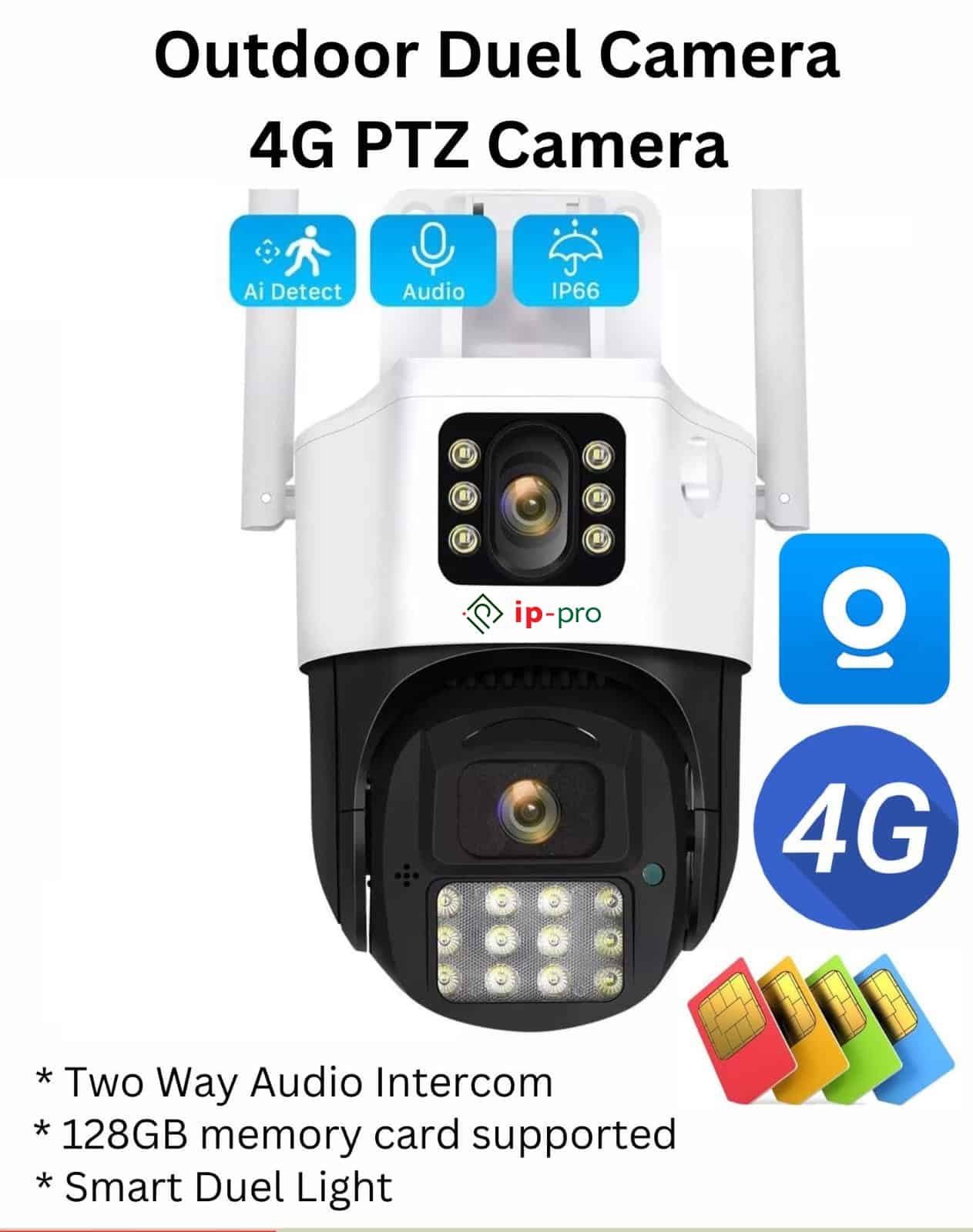
Privacy Policy for CCTV
A Privacy Policy for CCTV explains how surveillance footage is collected, stored, managed, and protected to ensure transparency, security, and responsible use of monitoring systems. A clearly written Privacy Policy for CCTV helps property owners, businesses, and organizations demonstrate their commitment to protecting personal information while using CCTV cameras to improve safety. Whether installed in homes, offices, retail stores, schools, hospitals, warehouses, or commercial buildings, CCTV systems should always operate in accordance with a well-defined privacy policy.
The primary purpose of a Privacy Policy for CCTV is to explain that recorded video footage is collected only for legitimate security purposes. CCTV camera systems are commonly used to prevent theft, monitor entrances and exits, protect valuable assets, discourage unauthorized access, and assist in investigating security incidents. Recorded footage is never used for unauthorized activities or shared without a valid legal or operational reason.
A comprehensive Privacy Policy for CCTV also defines who is permitted to access surveillance recordings. Access is limited to authorized individuals, including property owners, security personnel, system administrators, or law enforcement authorities when legally required. Restricting access helps maintain confidentiality and reduces the risk of unauthorized viewing, copying, or misuse of sensitive video recordings.
Data retention is another important part of a Privacy Policy for CCTV. The policy clearly explains how long recorded footage is stored before it is securely deleted or automatically overwritten. Appropriate retention periods help organizations manage storage efficiently while supporting compliance with applicable privacy regulations. Regular reviews of stored recordings ensure that unnecessary personal data is not retained longer than required.
Modern CCTV camera systems include advanced security features to safeguard surveillance data. Password protection, encrypted storage, secure network connections, user authentication, and cloud-based backup solutions help prevent unauthorized access and protect recorded footage from cyber threats. Regular software updates and system maintenance further enhance the reliability and security of CCTV surveillance systems.
Transparency is an essential element of every Privacy Policy for CCTV. Clear signage should be displayed in monitored areas to inform employees, customers, visitors, and residents that CCTV cameras are operating. Informing individuals about surveillance activities promotes trust, encourages responsible monitoring practices, and demonstrates a commitment to respecting personal privacy.
Overall, a well-implemented Privacy Policy for CCTV supports ethical surveillance by balancing effective security with individual privacy rights. It ensures that CCTV camera systems are operated responsibly, recorded footage is protected, and surveillance technology is used only for its intended purpose. By following a comprehensive Privacy Policy for CCTV, organizations and homeowners can create a safer environment while maintaining transparency, accountability, and confidence in their security practices.
Privacy Policy for CCTV
A Privacy Policy for CCTV defines how video surveillance data is collected, processed, stored, and protected to ensure transparency, security, and the responsible use of monitoring systems. A clear Privacy Policy for CCTV helps property owners, businesses, and organizations explain how CCTV cameras are used to improve security while respecting individual privacy rights. CCTV systems are commonly installed in homes, offices, shops, warehouses, schools, hospitals, and public spaces to enhance safety, prevent unauthorized access, monitor activities, and protect valuable assets. This Privacy Policy for CCTV ensures that all recorded footage is used only for legitimate security purposes, including theft prevention, incident investigation, property protection, and public safety.
Under this Privacy Policy for CCTV, access to recorded video footage is restricted to authorized individuals such as property owners, security personnel, designated administrators, or other approved personnel. The Privacy Policy for CCTV establishes strict access control measures to prevent unauthorized viewing, copying, misuse, or sharing of surveillance recordings. Every CCTV camera recording is handled securely and is accessed only when necessary for security investigations, operational requirements, or legal obligations.
A comprehensive Privacy Policy for CCTV also explains how surveillance data is stored and managed. It clearly defines how long video recordings are retained before they are securely deleted or automatically overwritten according to operational needs, storage capacity, and applicable privacy requirements. Following a well-defined Privacy Policy for CCTV helps reduce unnecessary data retention while supporting responsible information management practices.
Modern CCTV camera systems use advanced technologies such as encrypted storage, secure login credentials, password protection, user authentication, and cloud security to protect surveillance data from unauthorized access or cyber threats. Regular software updates, system maintenance, and security monitoring further strengthen the protection of recorded footage. These measures ensure that every CCTV system operates securely and efficiently.
Transparency is another important part of a Privacy Policy for CCTV. Clear signs and notifications should be displayed in monitored areas to inform employees, visitors, customers, and residents that CCTV cameras are in operation. Providing this information promotes awareness, builds trust, and demonstrates that surveillance is conducted openly and responsibly. A properly implemented Privacy Policy for CCTV encourages ethical monitoring practices without compromising individual privacy.
The Privacy Policy for CCTV also emphasizes responsible and lawful use of surveillance technology. Monitoring activities should always be conducted fairly, ethically, and only for approved security purposes. Regular reviews and updates to the Privacy Policy for CCTV help organizations adapt to new surveillance technologies, evolving security challenges, and changing data protection regulations.
Overall, a well-structured Privacy Policy for CCTV creates the right balance between effective security monitoring and the protection of personal privacy. By following a comprehensive Privacy Policy for CCTV, organizations and homeowners can ensure that CCTV camera systems are operated responsibly, surveillance data remains secure, and every CCTV installation supports a safer, more transparent, and legally compliant environment.
We value your privacy and are committed to protecting your personal information. Any details you provide through our website, including your name, phone number, email address, or inquiry, are used solely to respond to your requests and provide CCTV camera installation and support services
We do not sell, rent, or share your personal information with third parties except when required by law. Our website uses secure technologies to protect your data and may use cookies to improve your browsing experience. By using our website, you agree to the terms of this Privacy Policy and our data collection practices.